Athletes face many sources of loud sound during practices, games and workouts, and understanding these noise levels is an important part of protecting long-term hearing. Gyms, stadiums and indoor training spaces can reach volumes that seem harmless in the moment but may cause changes to your hearing when exposure adds up over time.

Knowing how often you’re around loud sound helps you recognize when your ears may need a break or extra protection. Paying attention to these everyday environments, athletes can make practical choices that support both their performance and their hearing health.

How Loud Sounds Can Damage Your Hearing

Loud sounds can strain the parts of your inner ear that help you hear clearly, especially when the noise is intense or lasts for long periods. Over time, this strain can lead to changes in how well you process sound, and these changes are often permanent.

Many everyday environments, including sporting events and busy training spaces, can reach levels high enough to create this kind of stress. Understanding how loud your surroundings can get is an important step in protecting your hearing.

Types of Noise in Sports That Can Cause Harm

Different sports settings expose athletes to a mix of loud sounds that can add up over time. Whistles, buzzers and crowd reactions can reach high volumes in moments, especially during competitive games.

Indoor courts and arenas can make these sounds even sharper because they bounce off hard surfaces. Even if each burst of noise seems brief, repeated exposure can still create stress on the ears.

Training environments also contribute to noise levels that may affect hearing. Weight rooms often have loud music, clanging equipment and steady background chatter that can be louder than expected.

Outdoor sports bring their own noise, from engine sounds on nearby fields to amplified announcements during events. Knowing the types of sound you encounter helps you stay aware of when your ears might need protection.

How Hearing Loss Can Change Athletic Performance

Hearing loss can make it harder for athletes to pick up on important sounds during practices and games, like instructions from coaches, warning calls from teammates or signals that mark the start of a play.

When these sounds are difficult to hear, athletes may need to rely more on visual cues, which can delay their reaction time. Even small delays can influence how well an athlete performs in fast-paced situations.

Hearing changes can also affect an athlete’s sense of balance and awareness of their surroundings. This may make it harder to stay oriented during quick movements or in crowded spaces where timing and positioning matter. When hearing is not as sharp, athletes may have to put in extra effort to stay focused, which can lead to fatigue over time.

Paying attention to hearing health helps athletes maintain confidence and stay connected to the action around them.

Noticing Early Warning Signs of Hearing Changes

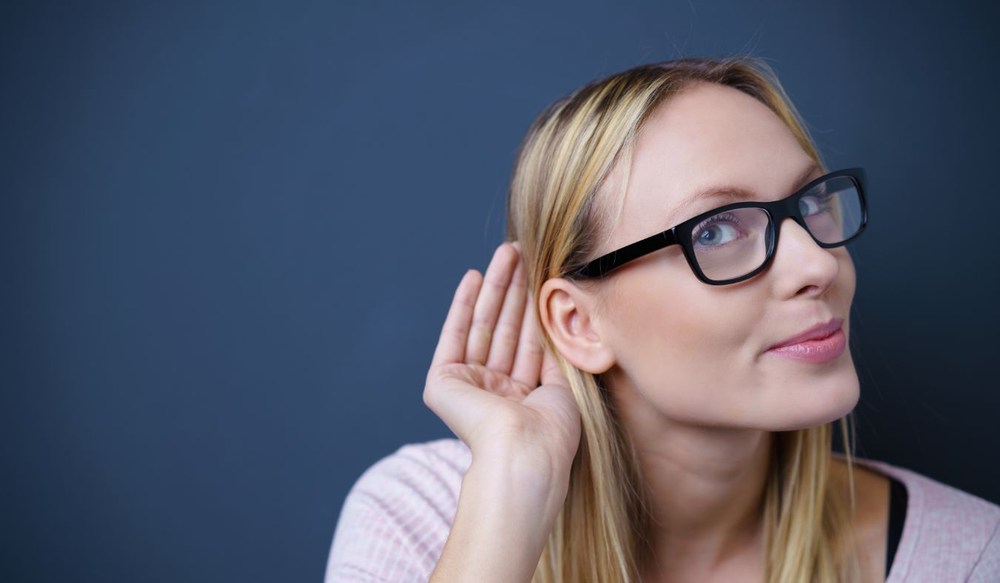
Noticing early signs of hearing changes can help you address problems before they start to affect daily life or athletic performance. You might find that certain sounds seem muffled, conversations are harder to follow in busy places or you need to turn up the volume more often than before. Ringing or buzzing in the ears after loud events can also be a sign that your ears are under stress.

If you notice any of these changes, talk with an audiologist about what steps you can take next. Acting quickly can help prevent further damage.

Choosing the Right Ear Protection for Athletes

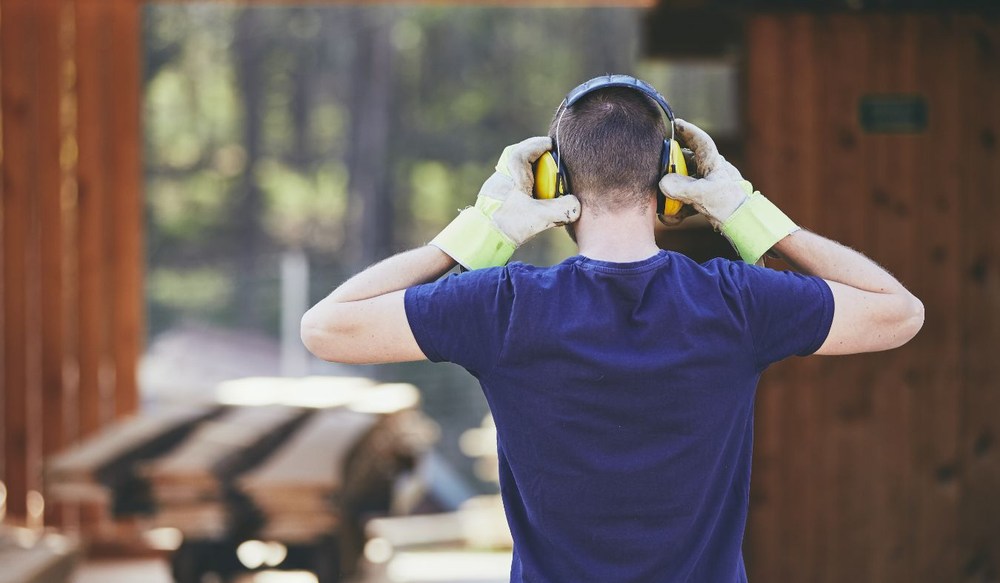
Choosing the right ear protection helps athletes manage loud environments without getting in the way of performance.

Options like foam earplugs, reusable plugs or specialized sports earplugs can lower sound levels while still letting you hear important cues. The best choice often depends on the type of activity, how much movement is involved and how loud the space tends to be.

Comfort also matters, since protection only works if it stays in place during training or competition. A good fit should feel secure without causing pressure or distraction. Some athletes prefer custom-fit options for a more stable feel, especially during high-intensity movement. Taking time to find protection that suits your routine makes it easier to use consistently and protect your hearing long-term.

Building Safe Listening Habits During Practice and Games

Building safe listening habits during practices and games is an important part of protecting your hearing as an athlete. Paying attention to how long you’re exposed to loud sound, taking short breaks when you can and giving your ears time to recover after noisy environments can help reduce long-term strain.

It also helps to be aware of where you stand during drills or events, since being close to speakers, equipment or crowd noise increases your exposure. These simple habits can fit easily into your routine and support your hearing health over time.

Ways to Communicate Clearly in Loud Sports Settings

Communicating during a loud game or practice can be difficult when whistles, music and cheering make it hard to hear. Missing a play or not understanding instructions can be frustrating. Try using hand signals or simple gestures with teammates to get messages across quickly.

Standing closer to the person speaking and facing them also helps you catch important information. These small changes make it easier for everyone to stay connected and focused, even in noisy sports settings.

Knowing When to Get Advice from an Audiologist

If you notice changes in your hearing like ringing in your ears, muffled sounds or trouble understanding speech during games or practice, it may be time to get advice from an audiologist. Many people feel uncertain about what these changes mean for their health and daily life. Reaching out early helps keep your hearing strong and supports your active lifestyle.

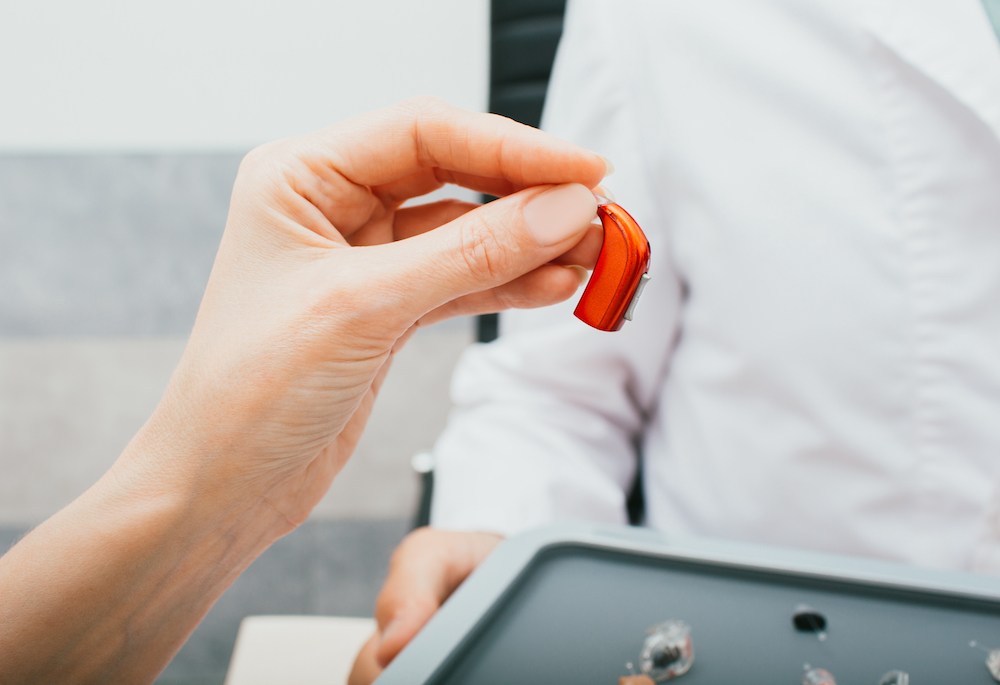
An audiologist can check your ears and help you understand if there is any damage or infection that needs attention. Your audiologist can also discuss safe ways to protect your ears during sports and answer any questions you might have.

Staying Active While Protecting Your Hearing

Protecting your hearing is an important part of staying healthy and active in sports. Wearing hearing protection, building safe listening habits and paying attention to early warning signs help you stay connected with your team and enjoy the game for years ahead.

If you have noticed changes in your hearing or want more information about keeping your ears safe during sports, schedule an appointment with an audiologist. They will guide you on hearing health in athletic settings so you can continue performing at your best while protecting your ears. Staying informed supports both your performance and long-term well-being.