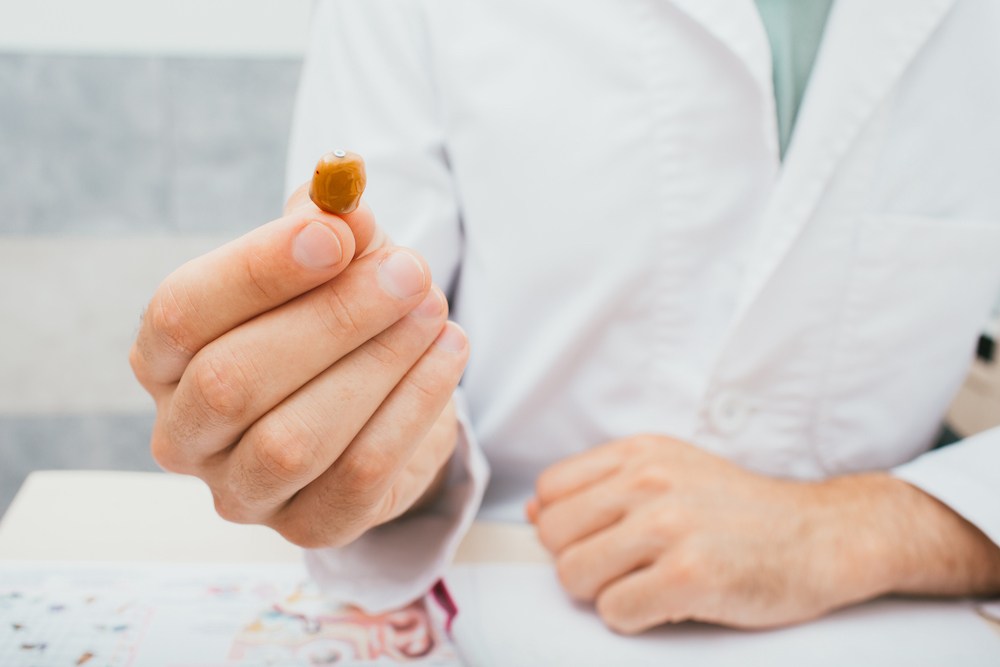
Keeping your hearing aids clean and well maintained is essential for making sure they work as intended and support your hearing every day. Many people think that once hearing aids are fitted, they need little attention beyond daily use.

However, regular care is needed to prevent issues like feedback, weak sound or unexpected breakdowns. Simple steps you take at home can extend the life of your devices and help you hear your best. Learning the right way to care for your hearing aids, you can avoid common problems and support your hearing health over time.

Why Keeping Hearing Aids Clean Matters

Keeping hearing aids clean is essential for their proper function and your comfort. When dirt, earwax or moisture collects on your devices, it can reduce sound clarity and even cause your hearing aids to malfunction.

Buildup can also lead to discomfort in your ears or increase the risk of irritation and infection. Maintaining clean hearing aids, you help them perform consistently and avoid problems that could interrupt your daily activities or require additional care from an audiologist.

What Are the Different Hearing Aid Parts?

Hearing aids are made up of several parts that work together to help you hear more clearly. Most devices include a microphone to pick up sound, an amplifier to make the sound louder and a speaker that delivers it into your ear.

Many hearing aids also have a battery or rechargeable component to power the device. Some models include additional features like a volume control, program buttons or wireless connectivity for streaming audio.

It may take some time to get used to handling small pieces, but this knowledge helps you keep your devices in top shape.

What Leads to Buildup and Damage in Hearing Aids

Several factors can cause buildup and damage in hearing aids over time.

Earwax, sweat and natural oils from your skin can accumulate on the devices, especially in smaller components like microphones and receivers. Moisture from humidity or even everyday activities like showering or exercising can also affect their performance.

Dust and dirt from the environment can get inside the hearing aids, interfering with sound quality or causing parts to wear out faster. Understanding what causes these issues can help you take simple steps to protect your devices and keep them working reliably.

How to Store Your Hearing Aids Safely

Proper storage protects your hearing aids when you are not wearing them. Always place your devices in a protective case to keep them safe from dust, dirt and accidental drops.

Store your hearing aids in a cool, dry place away from direct sunlight or heat sources. Avoid areas with high moisture, like bathrooms or kitchens. Safe storage also keeps your devices out of reach of pets and small children.

Tips for Traveling with Hearing Aids

Traveling with hearing aids takes a bit of planning. Always pack extra batteries or a charger if your devices are rechargeable. Bring your cleaning tools so you can keep your hearing aids free from dust and earwax while away from home.

Keep your hearing aids and accessories in a sturdy travel case to protect them from bumps or spills. If you are flying, carry your devices and supplies in your hand luggage to prevent loss or damage in checked bags. These steps help you hear clearly wherever you go.

Daily Cleaning Steps to Keep Your Devices Working Well

Daily cleaning keeps your hearing aids working their best. Use a soft, dry cloth to wipe the outside and gently brush away any earwax or dust from small openings. Always make sure your hands are clean and dry before handling your devices.

Cleaning every day helps prevent problems like weak sound or device failure and can reduce the need for extra visits to an audiologist. While cleaning may take a few minutes each day and some parts can be hard to reach, using the right tools makes the process easier.

Safe Ways to Remove Earwax and Debris from Hearing Aids

Use gentle tools designed for hearing aids, like a soft brush or wax pick, to remove earwax and debris from small openings. Avoid sharp objects like toothpicks or pins, as these can damage parts or push wax further inside.

If you notice stubborn wax that does not come off with a brush, try using a cleaning loop or the special tool that came with your hearing aids. Many devices have wax guards that should be checked and changed regularly to keep sound clear. Do not use water, alcohol wipes or household cleaners since moisture and harsh chemicals can harm sensitive parts.

Managing Moisture and Humidity Around Your Devices

Moisture and humidity can cause serious problems for hearing aids. Water or sweat can damage the tiny parts inside, leading to weak sound or device failure.

To help protect your hearing aids from moisture:

    • Remove your devices before showering, swimming or using hair products.
    • Store your hearing aids in a dry, cool place when not in use.
    • Use a hearing aid dehumidifier or drying kit overnight.
    • Wipe your devices with a soft, dry cloth after exposure to sweat or damp air.

Knowing the Right Time to Change Batteries and Filters

Filters help keep earwax and dust out of important parts. If sound becomes muffled or stops completely, it may be time to replace the filter.

Checking batteries and filters regularly helps prevent sudden problems. Changing them as soon as you notice signs of trouble keeps your hearing aids working smoothly and supports your daily hearing needs.

Recognizing When You Need Help from an Audiologist

Even with good care, you may notice changes in how your hearing aids work or in your hearing itself.

If you have trouble hearing conversations, hear buzzing or whistling sounds from your devices or need to turn up the volume more than usual, talk with an audiologist. Getting help early can make a difference and help you stay connected to the sounds and people that matter most.

Keeping Your Hearing Aids in Top Shape for Everyday Use

Taking a few minutes each day to clean and maintain your hearing aids helps prevent common problems like weak sound, feedback or sudden breakdowns. If you are ever unsure about how to clean certain parts or notice changes in how your devices perform, an audiologist can help.

Regular checkups can catch small issues before they become bigger problems. If you have questions about cleaning tools, changing filters or batteries or managing moisture around your devices, consider scheduling an appointment with an audiologist.