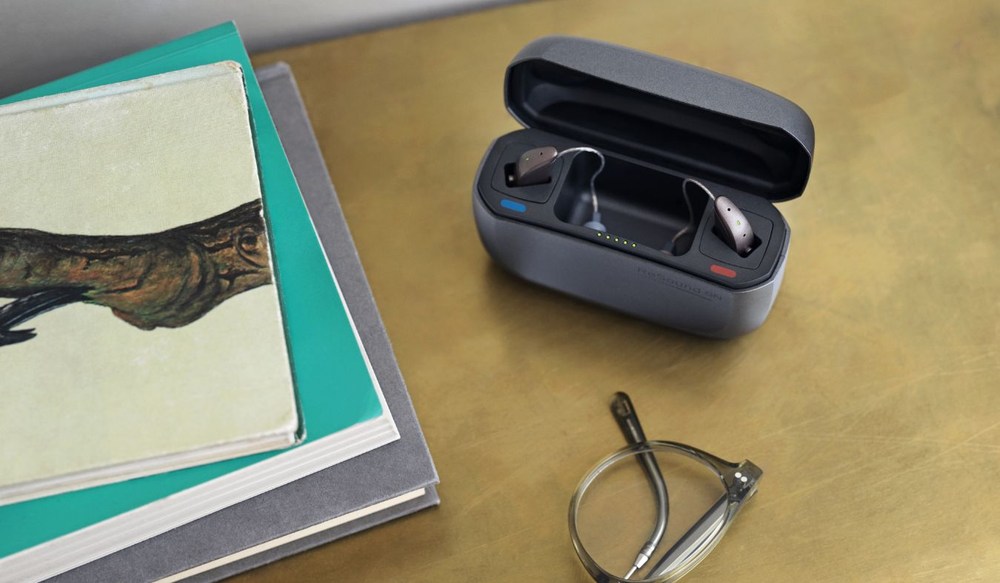
Choosing between rechargeable and battery powered hearing aids is an important part of finding a device that fits your needs and routine. Both types provide reliable hearing support, but they involve different ways of managing power.

Rechargeable hearing aids are set in a charging station at the end of the day, while battery powered devices require replacing small disposable batteries on a regular schedule. Your decision may depend on factors like how often you travel, whether you have easy access to power and how comfortable you are handling small batteries.

Knowing how each option fits into your daily life can help you choose the one that feels most practical and convenient for you.

What to Know About Rechargeable Hearing Aids

Rechargeable hearing aids come with built-in batteries that you recharge using a charging station or cable. Most models are designed to be charged overnight and provide a full day of use on a single charge.

These devices remove the need to buy and replace small disposable batteries, which many people find convenient.

You simply place the hearing aids in their charger before bed, and they are ready to use in the morning. Some models also offer quick charging features for short power boosts if needed during the day.

What to Know About Battery Powered Hearing Aids

Battery powered hearing aids rely on small disposable batteries that must be replaced periodically, usually every few days to a few weeks depending on how much the devices are used. Replacing the batteries is a simple task that can be done almost anywhere.

One advantage of battery powered hearing aids is the ability to keep spare batteries on hand and swap them out whenever needed, without relying on a power outlet. This can be especially convenient for people who travel frequently or spend extended time outdoors, providing a reliable option for consistent hearing support.

Important Details on Battery Life and Charging Needs

Battery life and charging needs are key factors to consider when deciding between rechargeable and battery powered hearing aids. Rechargeable hearing aids typically provide a full day of use on a single charge, though heavy use of streaming or other features can reduce that time.

These devices need to be placed in a charging station overnight, so it’s important to have a consistent routine to ensure they are ready each day. Understanding how long your hearing aids can operate between charges helps you plan your day and avoid interruptions in hearing support.

Battery powered hearing aids, on the other hand, use disposable batteries that last anywhere from several days to a few weeks depending on the device and usage. It’s helpful to know the expected battery life for your specific hearing aids so you can keep replacements on hand and avoid running out unexpectedly.

Some people prefer this option because they can swap batteries at any time, while others might find it easier to simply charge a device each night. Knowing the practical demands of each option allows you to choose a solution that fits your daily routine and lifestyle without added stress.

Ease of Handling and Maintenance

Handling and maintaining your hearing aids can differ depending on the power source.

Battery powered hearing aids require you to open small compartments and handle tiny batteries, which may be difficult if you have trouble with finger strength or dexterity. You also need to remember to buy new batteries regularly.

Rechargeable hearing aids are often easier to manage since you only need to place them in a charger at night. There are no small parts to handle daily, which can be helpful if you have dexterity issues.

Convenience and Daily Habits with Each Option

Convenience often comes down to your daily habits and how you like to manage your hearing aids. If you prefer a simple routine, rechargeable hearing aids may fit well since you only need to remember to charge them each night.

Battery powered hearing aids can be useful if you spend a lot of time away from home or do not want to rely on charging. Carrying spare batteries allows for quick changes without needing an outlet, which some people find reassuring during busy days or travel.

How Travel and Lifestyle Can Influence Your Choice

Your travel plans and lifestyle can play a big role in choosing between rechargeable and battery powered hearing aids. If you travel often or spend time outdoors, consider how easy it is to keep your hearing aids working away from home.

Some people prefer a device that can last through long trips without needing a charge, while others are comfortable charging their hearing aids each night at home. Your daily activities and travel habits can help guide you toward the option that fits best.

Tips for Choosing the Right Power Option for You

When deciding between rechargeable and battery powered hearing aids, think about your daily routine and what feels easiest for you. Consider how often you are at home, your travel habits and whether you prefer simple charging or carrying spare batteries.

It can help to write down when and where you use your hearing aids most often. This may show if quick battery changes or overnight charging would fit better into your schedule.

Speaking with an audiologist can help you compare the pros and cons of each option based on your lifestyle. Taking time to match the power choice to your needs can make wearing hearing aids more comfortable every day.

Making the Best Choice for Your Hearing Needs

Selecting between rechargeable and battery powered hearing aids depends on your daily habits, travel needs and comfort with charging or changing batteries.

Both options offer benefits that can support your lifestyle in different ways. Taking time to think about when and where you use your hearing aids most often will help you find the power option that fits best into your routine.

If you would like more information or have questions about which type of hearing aid may work best for you, schedule an appointment with an audiologist. They are here to help with advice and answers tailored to your needs.