Have you ever wondered how to keep your hearing aids working their best every day? Clean and well-maintained hearing aids help you hear more clearly and can last much longer. Taking a little time for care can make a big difference in your daily life.

Hearing aids are delicate devices that come into contact with earwax, moisture and dust, all of which can affect how well they work. Regular cleaning helps prevent issues like muffled sound or unexpected breakdowns.

Learning about the right cleaning tools, safe handling methods and when to seek help from an audiologist can help you feel confident about caring for your hearing aids.

What are the Different Parts of Your Hearing Aids?

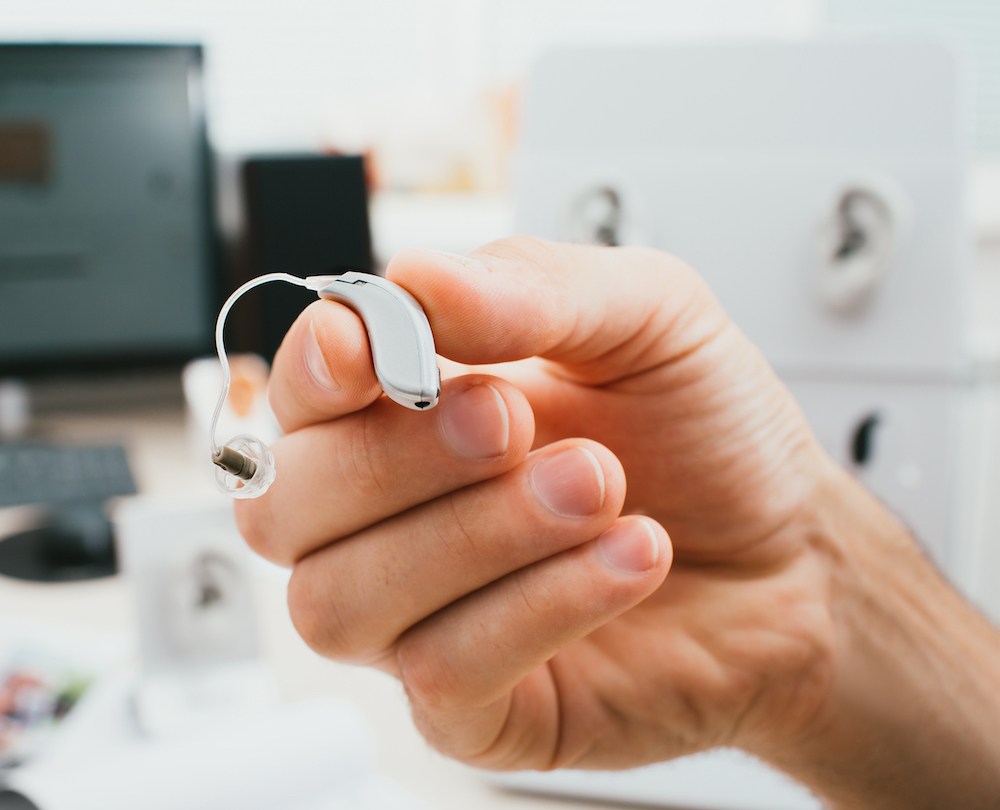
Hearing aids are made up of several parts that work together to help you hear more clearly throughout the day. While styles and designs can vary, most devices include a microphone that picks up sounds around you, an amplifier that adjusts those sounds based on your hearing needs and a receiver that delivers the sound into your ear.

A power source, either a disposable or rechargeable battery, keeps everything running. The casing holds these components in place and is designed to sit comfortably on or inside your ear.

Other parts focus on fit, comfort and ease of use. Ear tips or earmolds help guide sound into the ear while keeping the device secure. Many hearing aids also include buttons or touch controls that allow you to change volume or listening settings as needed.

Some models connect wirelessly to phones or accessories, adding flexibility for everyday situations. Understanding how these parts work together can make it easier to care for your hearing aids.

Why Cleaning Your Hearing Aids Matters for Performance

Keeping hearing aids clean has a direct effect on how well they work each day. Earwax, moisture and everyday debris can build up on small parts like microphones and receivers, which may block sound or cause distortion.

When this happens, even properly programmed devices can seem weaker or unclear. Regular cleaning helps sound move through the hearing aids as intended, making conversations easier to follow and reducing the need to adjust volume settings more often than necessary.

Clean devices also tend to be more reliable over time. Buildup left in place can wear down components or lead to issues that require repairs or replacements sooner than expected. Taking a few minutes each day for care keeps your devices working well and helps you hear your best.

Common Reasons Hearing Aids May Stop Working Well

Hearing aids can start to seem less effective for a variety of everyday reasons, many of which are easy to overlook. Buildup from earwax or moisture can block small openings and affect sound quality, even if the device itself is working properly.

Battery issues are another common factor, whether a battery is running low, not fully charged or not making good contact. Changes in daily routines, like spending more time in noisy places or wearing hearing aids for longer periods, can also make performance feel different.

How Moisture Can Affect Your Hearing Aids

Moisture is a common reason hearing aids stop working properly. Sweat, rain or even humidity can get inside and cause trouble with the electronics. If moisture builds up, you may notice your hearing aids turning off on their own or making crackling sounds.

To prevent moisture damage, keep your hearing aids dry at all times. After wearing them, especially after being active or outside, use a soft, dry cloth to wipe them down. Using a hearing aid dehumidifier overnight is also helpful for removing extra moisture and protecting your devices.

Picking the Best Tools and Supplies for Cleaning

Choosing the right tools and supplies makes hearing aid cleaning simpler and more effective. Basic items like a soft brush, wax pick and dry cloth are designed to remove buildup without damaging delicate parts.

Drying containers or dehumidifiers can also be helpful, especially if you live in a humid area or wear your devices for long hours. Using products made specifically for hearing aids helps avoid moisture or residue that can interfere with performance.

How to Change Wax Guards and Filters

Wax guards and filters are small parts, but they make a big difference in how well hearing aids work day to day. These pieces sit near the sound opening and help keep earwax from reaching the inner components, where it can block sound or cause problems.

Changing them regularly helps maintain clear audio and can prevent sudden drops in volume. The process is usually simple and only takes a few minutes, especially once you get used to it.

Keeping fresh wax guards or filters in place helps your hearing aids perform more consistently and last longer between service visits.

Tips for Storing Your Hearing Aids Safely at Home

Storing your hearing aids correctly at home protects them from damage and keeps them easy to find. Keep them in a dry, cool place away from direct sunlight or heat. A special case or a hearing aid dehumidifier adds extra protection against moisture, dust and pets.

Store your devices out of reach of small children and animals. Avoid leaving hearing aids in bathrooms, kitchens or any place with high humidity. If you will not use your hearing aids for a few days, remove the batteries to prevent corrosion.

Keep extra batteries in their original packaging and away from metal objects. If you have questions about storage or cleaning supplies, your audiologist can help you choose what works best for your devices.

How to Tell When Your Hearing Aids Need Expert Care

Knowing when your hearing aids need expert care can help to prevent bigger issues down the road. If you notice a steady drop in sound quality, frequent feedback or the device keeps turning off even after charging or replacing batteries, those are signs that something may be wrong.

You should also pay attention if the fit starts feeling off, the device feels unusually warm or you notice consistent whistling or buzzing that you cannot fix with basic cleaning. When problems continue after you’ve tried simple steps like cleaning the microphones and checking the battery, it’s a good idea to schedule a professional check.

Getting expert care can help identify issues early and keep your hearing aids working as they should.

Keeping Your Hearing Aids in Top Shape Every Day

Taking care of your hearing aids with daily cleaning and proper storage supports clear sound and helps your devices last longer. Simple steps at home make a big difference in how well your hearing aids work over time.

If you ever have questions about cleaning tools, safe storage or changes in how your hearing aids sound, schedule an appointment with an audiologist. Regular check-ins help protect both your hearing aids and the quality of sound you enjoy each day.