Tinnitus is a common experience where you may hear sounds like ringing, buzzing or hissing that are not present in your environment. These sounds can be constant or may come and go, often making it harder to concentrate or relax. Many people notice that tinnitus becomes more noticeable in quiet settings, which can make daily activities feel more difficult.

Sound therapy is one approach that can help manage tinnitus. Introducing gentle background sounds, sound therapy aims to make tinnitus less noticeable. This method can be useful if you are looking for ways to treat your tinnitus symptoms.

How Sound Therapy Helps Manage Tinnitus

Sound therapy is one approach used to help people manage tinnitus by reducing how noticeable the ringing or buzzing feels throughout the day. Instead of trying to eliminate the sound, this method introduces gentle background noise, like soft tones, nature sounds or low-level static, that helps shift attention away from tinnitus.

Over time, the brain can learn to place less focus on the ringing and treat it as a less important signal. Many people find that this makes tinnitus easier to manage, especially during quiet moments like reading, working or falling asleep.

While sound therapy does not cure tinnitus, it can make daily life more comfortable by lowering stress and improving overall focus.

Common Sounds Used in Sound Therapy Sessions

The sounds chosen for sound therapy sessions are designed to make tinnitus less noticeable. Common options include gentle white noise, soft music or recordings of nature like rainfall or ocean waves. The purpose is to create a steady background that helps shift your focus away from the ringing or buzzing.

For example, turning on a fan at night can help block out unwanted noise and make it easier to relax. In a similar way, sound therapy uses calming noises to help you feel more at ease and create a peaceful environment.

Why Background Noise Can Help Reduce Tinnitus

Background noise gives your brain something else to focus on, which can make tinnitus less noticeable. In very quiet environments, the ringing or buzzing may seem louder and harder to ignore.

Adding gentle sounds in the background can help you pay less attention to tinnitus. This may lower stress, support better sleep and improve your ability to concentrate during daily activities.

Choosing Between White Noise Machines and Sound Generators

When deciding between white noise machines and sound generators, it helps to understand how each one works. White noise machines usually play a steady, consistent sound like static or a gentle fan. Sound generators offer a wider range of sounds, like rainfall, ocean waves or soft music.

Some people prefer the simplicity of white noise, while others find nature sounds from sound generators more calming. An audiologist can help you decide which option fits your needs best. Many people also use smartphone apps that provide similar background sounds for tinnitus management.

Combining Sound Therapy with Hearing Aids

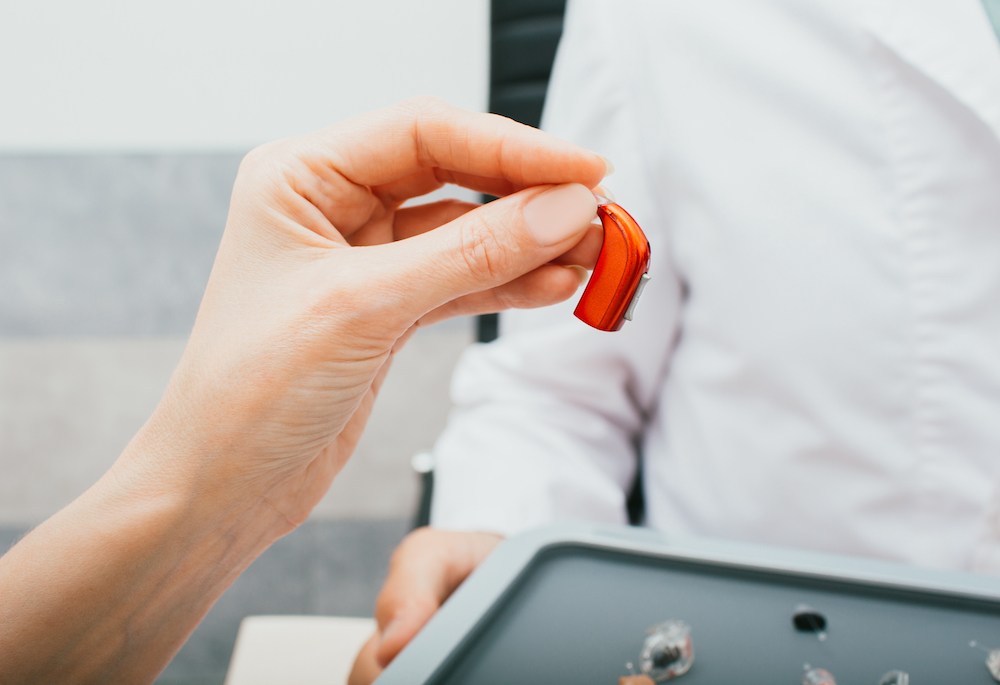
If you have both hearing loss and tinnitus, hearing aids with built-in sound therapy features may be helpful. Some hearing aids offer special programs that play soft background sounds or gentle tones designed to reduce how much you notice tinnitus.

Wearing hearing aids during the day can also improve your ability to hear outside sounds, which may naturally make tinnitus seem less loud. If you already use hearing aids, ask your audiologist if sound therapy options are available.

They can help adjust the settings, so you get the most benefit from both hearing support and sound therapy.

Adjusting Sound Therapy to Match Your Preferences

Personalizing sound therapy is important for making it effective for you. Everyone responds differently to certain sounds, so finding what feels most comfortable can help you get the best results.

Consider these steps when adjusting your sound therapy:

  • Try different types of sounds, like white noise, nature sounds or soft music.
  • Adjust the volume so it is soothing but not too loud.
  • Use timers or set schedules for when you want the sounds to play.
  • Notice how each sound affects your mood and focus.

Pairing Sound Therapy with Relaxation Methods for Better Results

Combining sound therapy with relaxation methods can make managing tinnitus more effective.

Using calming sounds along with techniques like deep breathing or gentle stretching may help your body and mind feel more at ease. Lowering stress is often linked to making tinnitus less noticeable.

Try adding simple relaxation habits to your daily routine. You might listen to soft background sounds while practicing slow, steady breathing or doing light yoga stretches.

Setting aside a few minutes each day for these activities can help you feel calmer and make the ringing or buzzing less distracting. Many people also find that relaxing before bedtime with sound therapy supports better sleep.

Knowing When to Ask an Audiologist About Sound Therapy

If you have tried sound therapy at home but still find that tinnitus is making daily life difficult, it may be time to talk with an audiologist. Are you having trouble relaxing, sleeping or focusing even when using background sounds?

Your audiologist can help if you are unsure which sounds work best for you or if your current setup does not seem helpful. They can also check your hearing and suggest other options that might make sound therapy more effective.

If tinnitus is affecting your mood or making social situations difficult, reaching out for professional advice is a good step. The right support can help you feel more comfortable and confident in managing tinnitus.

Taking Steps Toward Better Tinnitus Management

Sound therapy offers practical ways to make tinnitus less noticeable, especially when sounds are chosen and adjusted to fit your needs.

Using gentle background noise or calming nature sounds can help create a more peaceful environment and shift your focus away from the ringing or buzzing. Pairing sound therapy with simple relaxation techniques may also lower stress and support better sleep.

If you continue to have trouble managing tinnitus on your own or have hearing loss, schedule an appointment with an audiologist. They can guide you in finding the right sound therapy options and offer advice that matches your daily routine. This support can help you relax, concentrate and enjoy everyday activities with greater comfort.